Best Options for Custom Wall Art Printing
The Ultimate Guide to Canvas Printing: Tips and Tricks for Stunning Results
Images can be transformed into stunning wall art through canvas printing, but careful consideration is required to achieve the best results. Choosing the right images and materials is essential, as is developing proficiency in the printing process. Various common mistakes can undermine quality, yet with appropriate methods, one can significantly improve their prints. Mastering these details can improve any artwork. What particular techniques can make a significant impact in the finished product?
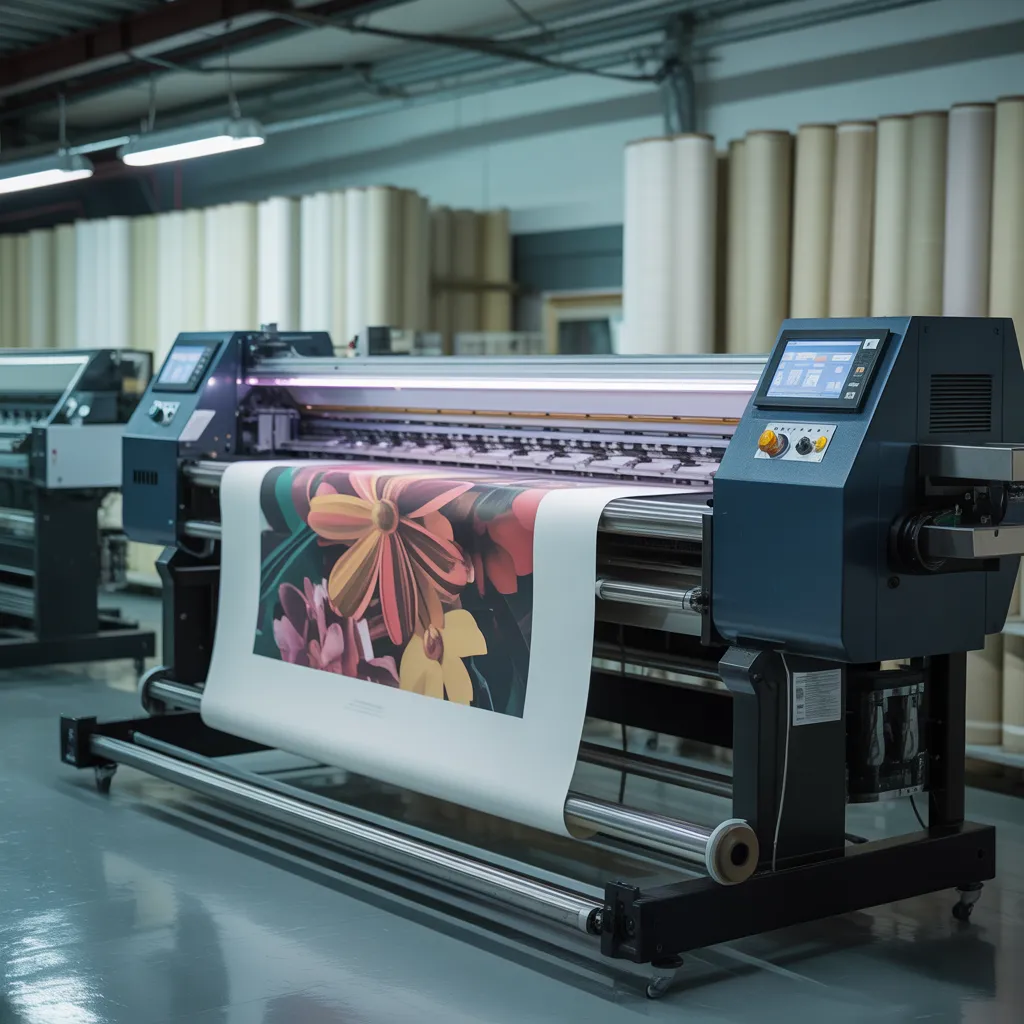
Which Images Work Best When Printed on Canvas?
When selecting images for canvas printing, high-resolution photographs generally yield the best results. These photos ensure sharp details and vibrant colors, essential for creating visually appealing art pieces. Photographs taken using professional cameras or premium smartphones often meet the necessary resolution criteria. Abstract art, landscapes, and portraits are popular choices, as they render excellently on canvas.
Along with resolution, composition serves a vital function. Images with strong focal points or captivating textures can elevate the overall impact of the print. Color contrast is another important factor; bold colors can make a canvas print stand out, while softer tones may create a more gentle effect.
In the end, picking images that resonate emotionally or tell a story can substantially improve the canvas printing experience, transforming a basic photograph into a striking work of art. Thoughtful consideration of these elements produces stunning results that capture the viewer's attention.
How Canvas Materials Affect Print Quality
Canvas material considerably affects the general quality of printed images. The decision between cotton and polyester canvas can significantly impact texture, durability, and color reproduction. Cotton canvas is frequently preferred for its natural feel and excellent color absorption, which can lead to richer, more vibrant prints. In contrast, polyester canvas provides a smooth finish and improved resistance to fading, making it ideal for prints exposed to light.
Canvas weight and weave are equally important factors. Heavier canvas materials offer superior support and durability, while finer weaves can enhance detail and sharpness. Additionally, pre-primed canvases designed to accept ink optimally, guarantee that colors appear more vivid and details remain sharp.
At the end of the day, selecting the appropriate canvas material is crucial for achieving stunning results in canvas printing, as it directly affects the final appearance and longevity of the artwork.
Recommendations for Mastering the Canvas Printing System
Understanding canvas materials sets the foundation for mastering the canvas printing process. Choosing the right canvas type, whether it's poly-cotton blend or 100% cotton, significantly influences the final outcome. Proper color calibration is essential; ensuring that the monitor and printer settings align can eliminate discrepancies. Additionally, utilizing high-resolution images is critical; images should be at least 150 DPI for optimal sharpness and clarity.
Before printing, conducting a test print can help identify any issues with color or detail. This approach permits corrections without jeopardizing the finished work. Furthermore, making certain the printer's ink is appropriate for canvas is crucial, since certain inks might bleed or lose color over time.
Lastly, after the printing process is finished, providing sufficient drying time before handling will assist in maintain the condition of the artwork. These suggestions combined contribute to a successful canvas printing experience, producing stunning results that highlight the original artwork exceptionally.
How to Improve Your Canvas Prints via Framing and Display Options
Elevating canvas prints through thoughtful framing and display can enhance their visual impact and incorporate them seamlessly into any space. Choosing the right frame is crucial; it should complement the artwork without overpowering it. Minimalist, modern frames often work well for contemporary pieces, while ornate frames can elevate traditional artworks.
When displaying canvas prints, consider the arrangement and spacing. A dynamic focal point is created by grouping multiple pieces, whereas a single statement piece attracts attention in a minimalist setting. Height is another factor; artworks should be hung at eye level for ideal viewing.
Lighting is equally important; natural light or strategically placed spotlights can highlight the colors and textural elements. Furthermore, take into account the nearby décor—coordinating or opposing elements can harmonize the canvas print with the overall ambiance of the room, forming a harmonious environment that displays the artwork beautifully.
What Mistakes Should You Avoid in Canvas Printing?
Picking the similar resource right framing and display methods can greatly enhance canvas prints, but errors in the printing process can result in disappointing results. One common mistake is using substandard images, which can result in pixelation when enlarged. Furthermore, neglecting color calibration can cause prints to appear lackluster or inaccurate.
Another mistake is overlooking the importance of suitable canvas selection; using the wrong material can influence durability and texture. In addition, failing to account for stretching and mounting can result in warping or sagging over time.
Improper handling during the printing process, such as enabling moisture exposure, can also compromise the quality of the final product. Finally, not providing sufficient drying time can cause smudged prints. By preventing these pitfalls, individuals can secure their canvas prints achieve the stunning results they desire.
Frequently Asked Questions
How Long Can Canvas Prints Be Expected to Last?
Canvas prints usually last between 50-100 years when given proper care. Variables such as light exposure, humidity, and the quality of materials used can considerably influence their durability and appearance over time.
Is Canvas Printing Possible with a Home Printer?
Yes, a home printer can print on canvas, provided it is compatible with the material. Canvas sheets specifically made for inkjet printers can be purchased, enabling people to produce custom artwork or photos from home.
What Ink Varieties Are Best for Printing on Canvas?
Pigment-based inks perform best for canvas printing, as they offer exceptional color fastness and longevity. Dye-based inks, while offering vibrant colors, tend to fade faster. Choosing high-quality inks secures lasting, stunning results on canvas.
Is It Possible to Repair a Damaged Canvas Print?
A damaged canvas print can be repaired. Available techniques encompass applying protective coatings, re-stretching, and patching tears. Professional repair services can additionally boost longevity and aesthetics, guaranteeing the piece preserves its visual quality over time.
How Should I Clean My Canvas Prints?
When cleaning canvas prints, softly dust with a soft, dry cloth or utilize a slightly damp cloth for marks. Stay away from harsh chemicals and too much moisture to maintain the print's integrity and color brilliance.